
October 2026 • 7 MIN READ
Understanding the Emotional Needs of Older Adults
As we grow older, our needs naturally change. While physical health and everyday support are important, emotional wellbeing plays just as significant a role in maintaining a happy, fulfilling life.
Understanding the emotional needs of the elderly is essential for ensuring older adults feel valued, respected and supported. Whether someone is living independently, receiving support at home or residing in a care home, their emotional wellbeing can have a significant impact on their overall quality of life.
At Olive Tree Care, we believe that providing quality care goes beyond meeting physical needs. It’s about building meaningful relationships, encouraging independence and creating an environment where every resident feels comfortable, connected and cared for.
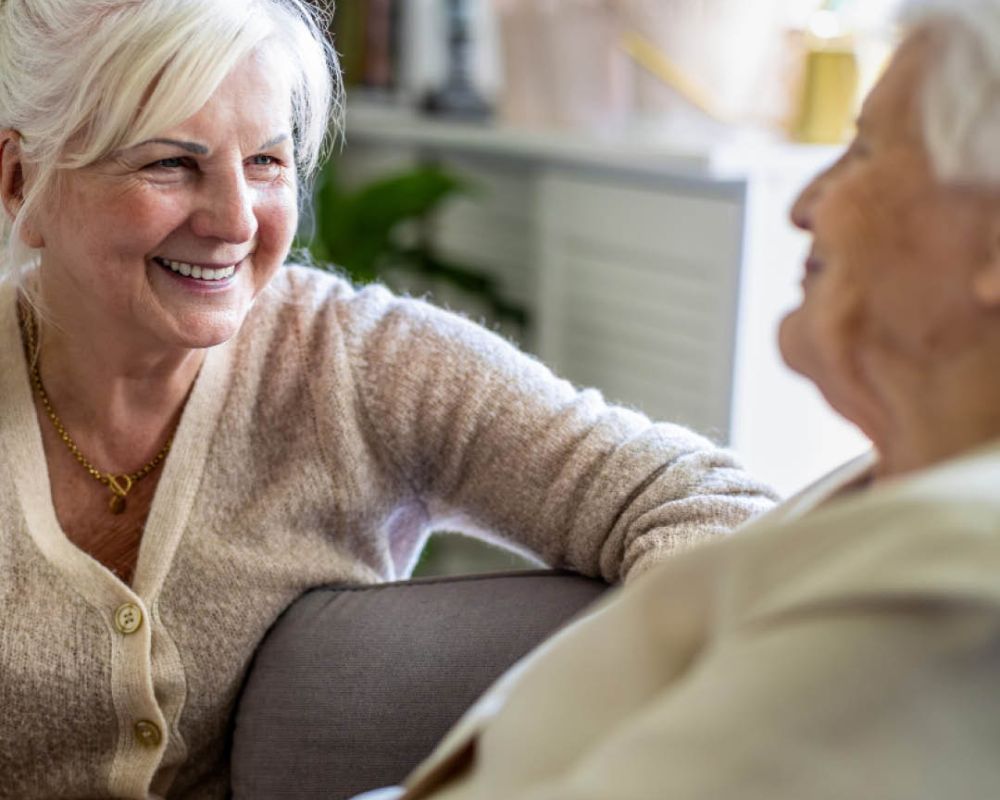
Why Is Emotional Wellbeing Important for Older Adults?
Emotional wellbeing affects how we feel about ourselves, connect with others and approach everyday life. As people age, they may experience significant changes, such as retirement, losing loved ones, changes in health or moving into a new living environment.
These life changes can sometimes bring feelings of loneliness, uncertainty or a loss of independence. Recognising the emotional needs of the elderly can help families and carers provide reassurance, companionship and a sense of stability during these transitions.
Supporting emotional wellbeing isn’t simply about preventing loneliness. It’s about helping older adults continue to enjoy meaningful experiences, maintain their identity and feel a sense of purpose.
1. The Importance of Companionship and Social Connections
One of the most important emotional needs of older adults is feeling connected to others.
Regular social interaction can help reduce feelings of loneliness and isolation while encouraging a sense of belonging. Something as simple as sharing a cup of tea, enjoying a conversation or taking part in a group activity can make a meaningful difference to someone’s day.
For older adults living in care homes, opportunities to build friendships and participate in social activities can help create a welcoming, supportive community.
At Olive Tree Care, we recognise the importance of meaningful connections and creating opportunities for residents to enjoy companionship as part of everyday life.
2. Maintaining Independence and Personal Choice
Growing older doesn’t mean losing the ability to make decisions.
Maintaining independence is an important part of emotional wellbeing, helping older adults feel confident, respected and in control of their daily lives.
Whether it’s choosing what to wear, deciding how to spend the afternoon or maintaining a familiar routine, having a say in everyday decisions can support a person’s sense of identity.
This is why person-centred care is so important.
By understanding each resident’s preferences, interests and individual needs, care providers can offer appropriate support while encouraging independence wherever possible.
3. Feeling Valued, Respected and Understood
Everyone wants to feel heard, appreciated and respected, regardless of their age. For older adults, maintaining dignity and feeling understood can have a positive impact on emotional wellbeing.
Taking the time to listen to someone’s stories, remembering their preferences and involving them in conversations can help reinforce their sense of identity and belonging. Small gestures often make the biggest difference.
Remembering how someone likes their tea, asking about their family or taking an interest in their hobbies can help older adults feel genuinely valued. At Olive Tree Care, we believe that getting to know residents as individuals is an essential part of providing compassionate, person-centred care.
4. Providing Reassurance During Life Changes
Change can be challenging at any stage of life, but significant transitions in later life may bring additional emotional challenges. Moving into a care home, experiencing changes in health or adjusting to a new daily routine can sometimes feel overwhelming.
During these moments, patience, understanding and reassurance are particularly important. Families and carers can help by encouraging open conversations, listening to concerns and allowing older adults time to adjust.
Creating a familiar, welcoming environment can also help people feel more settled and secure.
For someone moving into residential care, maintaining familiar routines, bringing personal belongings and staying connected with loved ones can make the transition feel more comfortable.
5. Encouraging Purpose and Enjoyment in Everyday Life
Having something to look forward to can make a real difference to emotional wellbeing.
Enjoyable activities, personal interests and meaningful routines can help older adults maintain a sense of purpose and fulfilment.
This might include gardening, listening to music, reading, baking, creative activities or simply spending time with friends and family.
The most important thing is recognising that everyone is different.
Activities that bring happiness to one person may not appeal to another, which is why understanding individual interests and preferences is essential.
Supporting the emotional needs of the elderly means encouraging opportunities for enjoyment, connection and personal fulfilment, rather than focusing solely on physical care.
How Families Can Support the Emotional Needs of the Elderly
Families play an important role in supporting the emotional wellbeing of older loved ones.
Even small, consistent gestures can provide reassurance and help maintain meaningful relationships.
Some simple ways to offer emotional support include:
- Stay connected: Make time for regular visits, phone calls or video conversations.
- Listen and communicate: Encourage open conversations and take time to understand their feelings.
- Encourage independence: Support older adults in making their own decisions wherever possible.
- Maintain familiar routines: Help preserve the activities, traditions and habits they enjoy.
- Spend quality time together: Shared experiences can help strengthen relationships and create positive memories.
Above all, it’s important to remember that emotional needs are individual and may change over time. Taking a compassionate, flexible approach can help older adults feel supported through different stages of life.
Supporting Emotional Wellbeing at Olive Tree Care
At Olive Tree Care, we understand that providing high-quality care involves much more than supporting someone’s physical health.
It’s about recognising the individual behind the care needs, understanding their personality, respecting their preferences and helping them feel at home.
Across our care homes, including Brailsford House, Beech House and Beech Tree House, our approach focuses on providing compassionate, person-centred support that recognises the importance of emotional wellbeing.
From meaningful conversations and familiar routines to companionship and everyday activities, we believe the little things can make a lasting difference.
Understanding the emotional needs of the elderly helps create a care environment where residents can feel respected, supported and valued.
Looking for a care home that puts individual wellbeing first?
Whether you’re exploring residential care, dementia care or respite care for a loved one, our friendly team is here to help.
Contact Olive Tree Care today to learn more about our care homes and how we support residents’ physical and emotional wellbeing.
Share This Story

5 Signs It’s Time to Consider a Care Home for Your Loved One
Making the decision to explore residential care for a loved one is never easy. For many families, it can feel emotional, overwhelming, and even daunting.
What Families Should Know About Transitioning to Residential Care
Transitioning to residential care can feel overwhelming. Discover supportive guidance for families to help loved ones settle with confidence and compassion.

How Olive Tree Care Ensures Safety and Comfort for Every Resident
Discover how Olive Tree Care prioritises safety and comfort in residential care through thoughtful design, personalised support, and round-the-clock care.